
Sustainable Eating Habits Mastery
Discover the essential features and tools that help you build lasting habits for mindful, planet-conscious eating. Learn how small daily choices create meaningful environmental impact.
The information on this site is for educational purposes only and does not constitute medical advice. Always consult a qualified healthcare professional before making health decisions.
What Makes Our Approach Unique
We combine evidence-based nutrition guidance with environmental consciousness. Each feature is designed to make sustainable eating accessible, practical, and rewarding.
Plant-Forward Guidance
Learn how to build satisfying meals centred on whole grains, legumes, vegetables, and fruits. We provide practical strategies for increasing plant foods whilst maintaining nutrient balance and flavour variety.
Habit Formation Framework
Understand the science of habit change. Our step-by-step framework helps you identify triggers, establish routines, and build eating patterns that stick. Sustainable behaviour change happens over time, not overnight.
Environmental Impact Education
Discover how your food choices affect water usage, carbon footprint, and biodiversity. We break down the environmental footprint of different foods so you can make informed decisions aligned with your values.
Practical Meal Planning
Access real-world meal ideas that respect seasonal availability and local sourcing. We show you how to plan nutritious meals that reduce waste and support local food systems without requiring hours in the kitchen.
Progress Tracking & Reflection
Learn how to monitor your eating patterns and habits over time. We provide tools for self-reflection that help you understand what works best for your lifestyle, preferences, and environmental goals.
Community Stories & Insights
Connect with real people navigating sustainable eating. Read authentic stories from community members who share their challenges, discoveries, and successes. Learn from diverse experiences and perspectives across the UK.
Why Sustainable Eating Matters Now
Building a Better Food System
Reduce Resource Consumption
Food production accounts for significant water usage and land impact. By choosing plant-based foods and seasonal produce, you directly reduce demand on limited resources.
Lower Greenhouse Gas Emissions
The food system is a major contributor to climate change. Plant-forward eating and reducing food miles are among the most effective personal actions to lower your carbon footprint.
Support Biodiversity
Sustainable food choices protect ecosystems and wildlife. Supporting regenerative farming and avoiding over-harvested species helps preserve natural habitats.
Strengthen Local Food Systems
Buying local and seasonal food supports farmers in your region and builds food security. Diverse, thriving local food systems are more resilient and nurturing for communities.
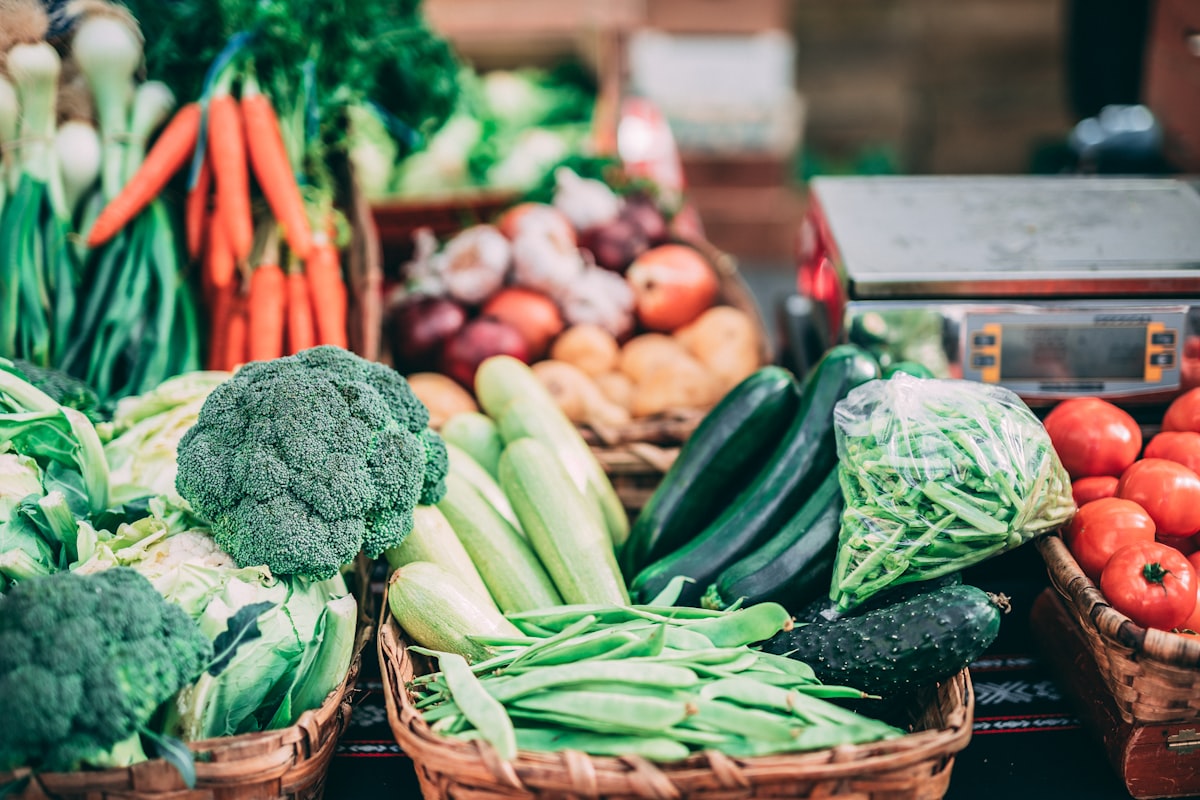
Your Journey to Conscious Consumption
Sustainable eating doesn't happen overnight. Follow this evidence-based five-step process to develop lasting habits that align with your values and lifestyle.
Assess & Reflect
Begin by examining your current eating habits honestly. What foods do you eat most? Where do they come from? How do you feel about your choices? This awareness is the foundation of change.
Set Realistic Goals
Define what sustainable eating looks like for you. This might mean eating more vegetables, choosing local produce, reducing food waste, or supporting ethical farming. Start with one or two manageable goals.
Learn & Explore
Dive into our articles, guides, and recipes. Educate yourself about food systems, nutrition, and environmental impact. The more you understand, the more confident your choices become.
Build Habits Gradually
Small, consistent actions beat dramatic overhauls. Try meal prepping on Sundays, visit a farmers market, try one new plant-based recipe weekly. Build momentum through repetition and positive reinforcement.
Reflect & Adapt
Regularly review your progress. What's working? What feels challenging? Be willing to adjust your approach. Sustainable eating is personal — your path won't look exactly like anyone else's.
How Our Content Supports Your Journey
| Topic Area | What You'll Learn | Practical Application |
|---|---|---|
| Plant-Based Nutrition | How to get protein, iron, B12, and other nutrients from plant foods. Understanding complete amino acid profiles and food combinations. | Plan balanced meals with beans, grains, nuts, and vegetables. Reduce or replace animal products confidently. |
| Seasonal Eating | What grows when in the UK. Why seasonal produce is fresher, cheaper, and lower-impact. Finding local suppliers. | Build shopping lists around seasonal availability. Support farmers markets and local farms in your area. |
| Food Waste Reduction | Creative ways to use vegetable scraps, stale bread, and surplus produce. Proper storage techniques and preservation methods. | Meal plan strategically, store foods correctly, and reduce what ends up in the bin week to week. |
| Reading Labels & Origins | How to interpret packaging claims, certifications, and country-of-origin labels. Spotting greenwashing in food marketing. | Make informed purchasing decisions. Support brands and farms aligned with your values. |
| Habit Psychology | Understanding triggers, cravings, and routines. Breaking unhelpful patterns and reinforcing positive ones. Motivation versus discipline. | Identify barriers to change. Build systems and environments that make healthy choices easier and more automatic. |
| Environmental Impact | Carbon footprint of different foods. Water usage, land use, and biodiversity impact. Climate and food system connections. | Choose foods with lower environmental footprint. Understand the "why" behind sustainable eating recommendations. |
Real Recipes from Our Community
Sustainable eating doesn't mean sacrificing flavour or satisfaction. Explore simple, delicious recipes that honour seasonal ingredients and traditional cooking methods from around the world.
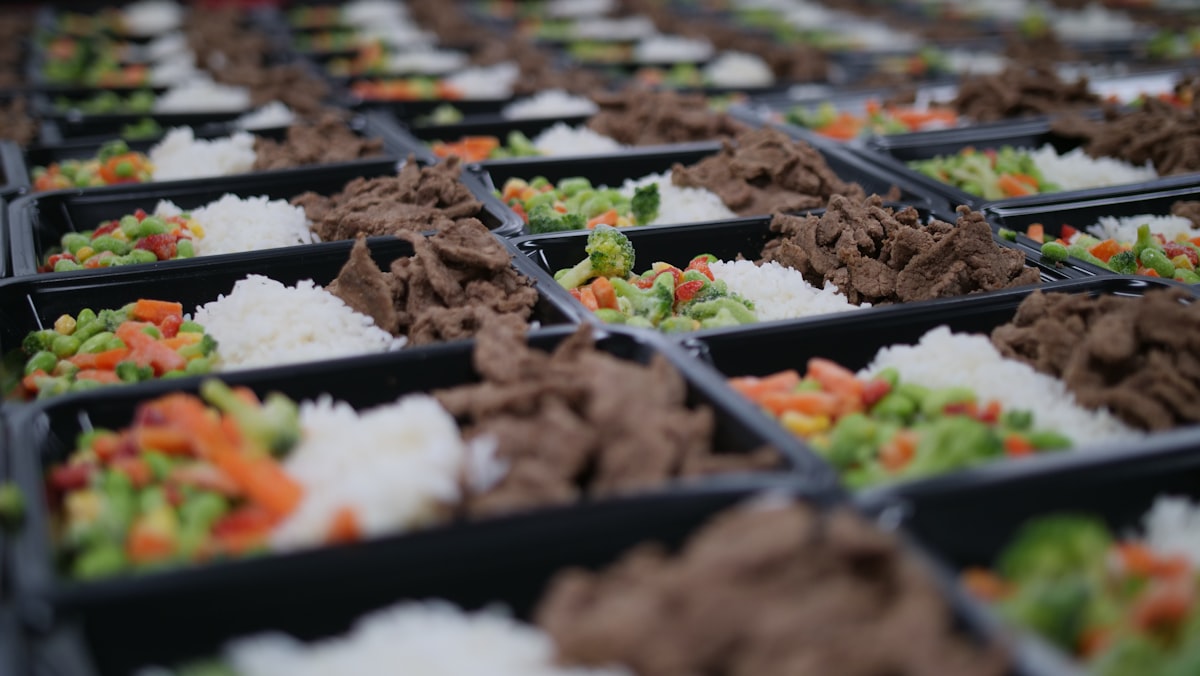
Roasted Root Vegetable Bowl
Seasonal winter vegetables with quinoa, tahini dressing, and toasted seeds. A warming, satisfying meal that celebrates what grows in British autumn and winter.

Nourishing Lentil Soup
A simple, comforting soup built on lentils, carrots, celery, and onions. This recipe uses pantry staples and serves four with one pot. Perfect for meal prepping.
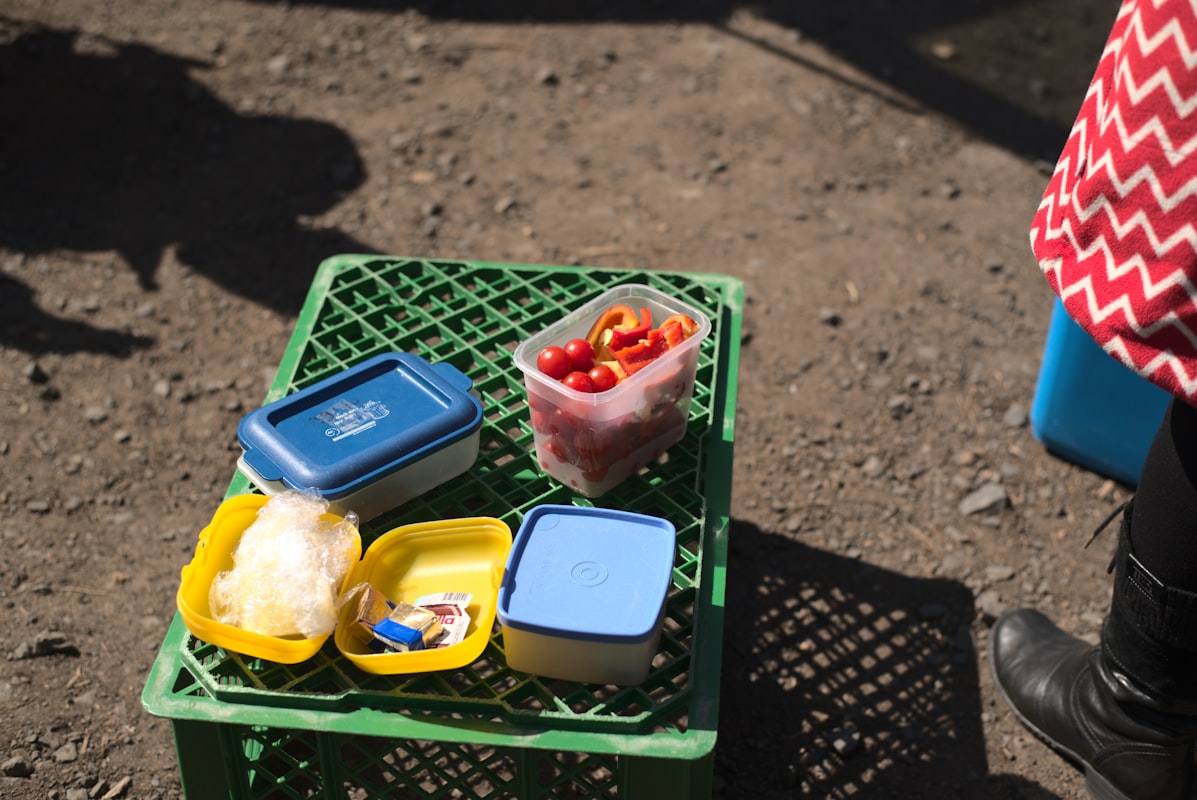
Spiced Chickpea Curry
A fragrant, creamy curry packed with chickpeas, spinach, and warming spices. Versatile enough to use dried spices from your cupboard or fresh ginger and chilli.
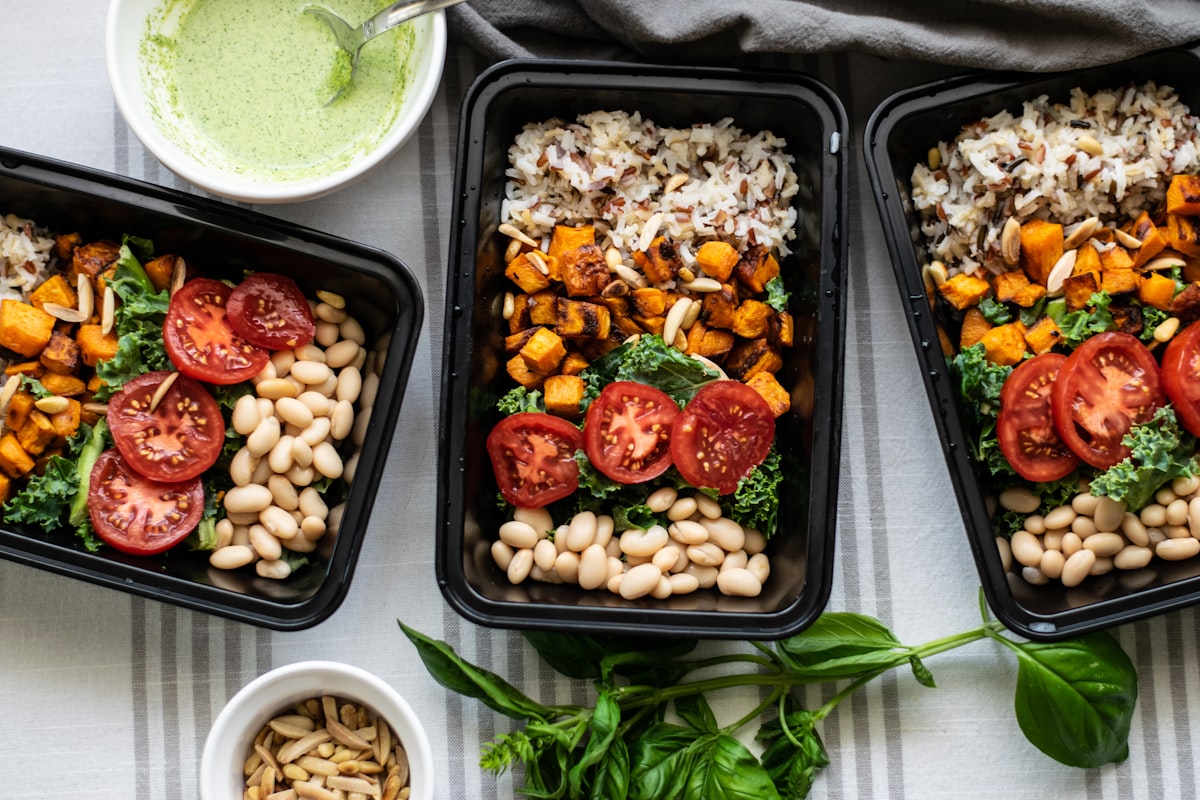
Overnight Oats with Berries
Prepare breakfast the night before with rolled oats, plant-based milk, and toppings of your choice. A time-saving, sustainable breakfast that requires no cooking.
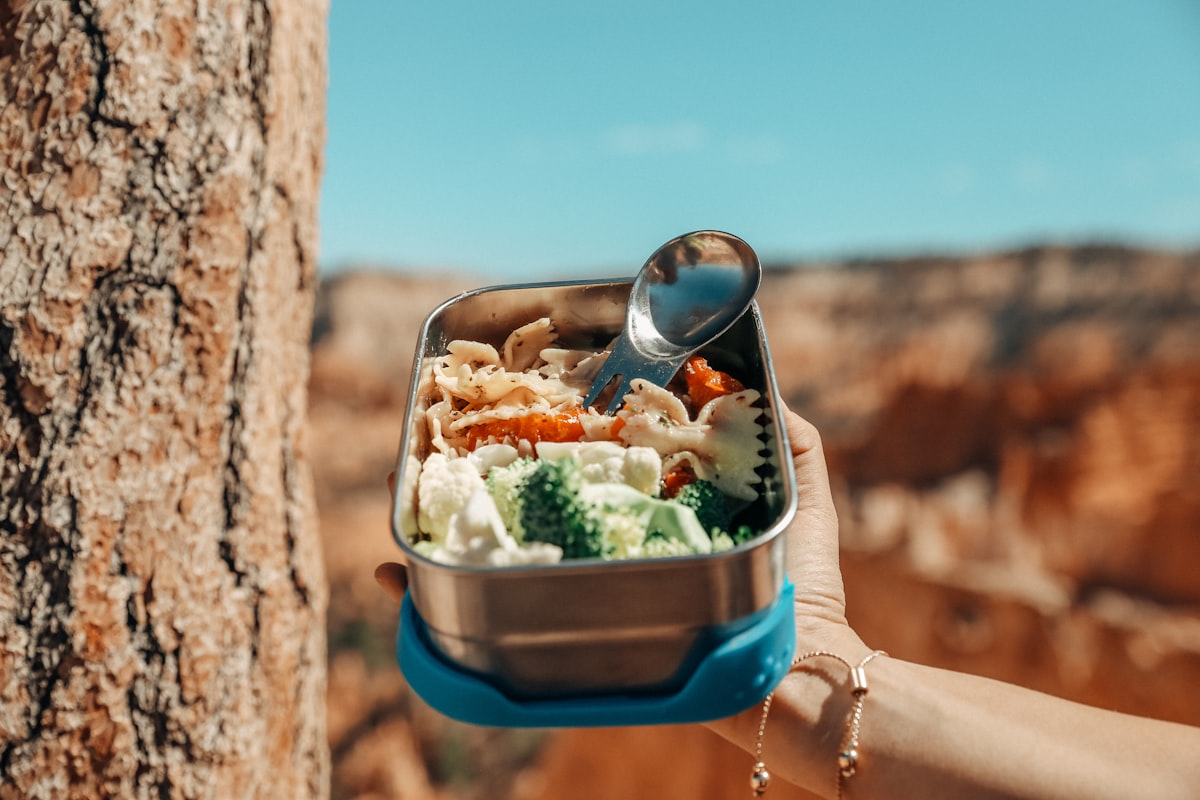
Buddha Bowl with Tofu
A colourful plate with baked tofu, leafy greens, grains, and tahini dressing. Fully customisable to match what's in season and available at your local shops.
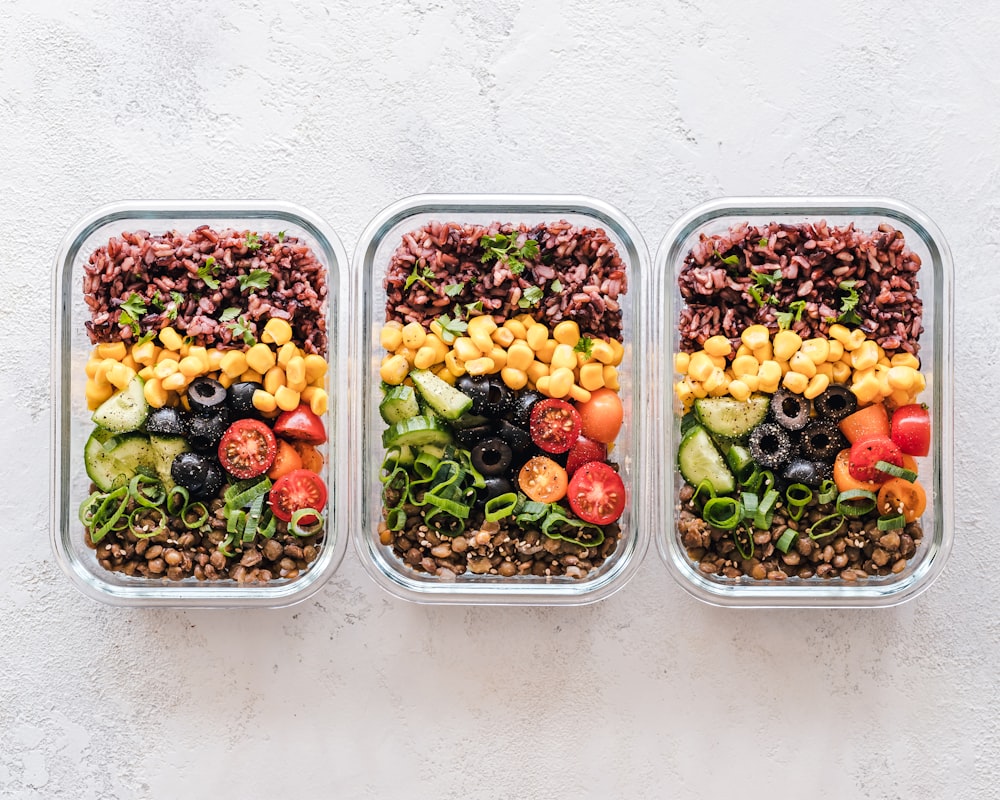
Homemade Hummus & Veggies
Make hummus from dried chickpeas using a simple blender. Serve with sliced seasonal vegetables and wholegrain bread for a filling lunch that generates minimal waste.
Common Questions About Sustainable Eating
Find answers to frequently asked questions about building sustainable eating habits and understanding environmental food choices.
No, sustainable eating is broader than dietary preference. While plant-based diets can be more sustainable, you can eat sustainably as an omnivore by choosing locally-sourced meat, reducing food waste, and supporting ethical farming practices. It's about making conscious choices aligned with your values and environmental impact.
Start small with one habit at a time. Track your meals, identify patterns, and set realistic goals. Our program provides structured guidance through the five pillars of nutrition habit mastery. Consider keeping a food journal and experimenting with meal planning to understand what works for your lifestyle.
Nutrition is the science of food and how it nourishes the body. Dietetics is the practical application of nutrition science by registered professionals. Our program focuses on practical nutrition education to help you make informed food choices that support your health goals.
Research suggests 21-66 days depending on the habit and individual. Consistency matters more than perfection. Our structured program is designed to guide you through habit formation with support and accountability. Most participants see meaningful changes within 4-8 weeks of committed practice.
Absolutely! Our program is flexible and adaptable to various dietary needs including allergies, intolerances, and ethical preferences. We provide guidance on nutrition fundamentals that apply across all eating styles. Work with our team to customize your plan to your specific restrictions.
Success Stories from Our Community
Real people, real results. See how our members transformed their relationship with food.
Sarah M.
Nutrition Habit Mastery Graduate
"I struggled with yo-yo dieting for years. This program taught me that sustainable habits are the real game-changer. I've lost significant weight and, more importantly, kept it off for 18 months. The mindset shift was incredible."
James T.
Nutrition Habit Mastery Graduate
"As a busy professional, I thought I didn't have time for healthy eating. This program showed me how to build habits that actually fit my lifestyle. My energy levels have skyrocketed!"
Emily R.
Nutrition Habit Mastery Graduate
"I loved learning about the environmental impact of food choices. This program helped me align my eating habits with my values while improving my health. Win-win!"
Ready to Master Your Nutrition Habits?
Join hundreds of people who've transformed their relationship with food and achieved lasting results. Start your journey to sustainable eating habits today.
Your information is secure and will never be shared.
Nutrition Habit Mastery
Empowering people to build sustainable eating habits and transform their relationship with food.
© 2024 Nutrition Habit Mastery – VAT: GB948 8657 89. All rights reserved.